Tag Archives: children

Transitions Part 2, A 1700 Mile Adventure!

lorim (2)
Hello, my blog reading friends! You may recall that back on July 10, 2013, I began a series of posts called “Transitions“, promising to continue the series a little later. Well, the continuation begins today, as part of the Review Crew’s Summer Blog Hop! I think you’ll find the Summer Blog Hop to be a fun ride, with 90 bloggers and 450 posts on a wide variety of topics. So, without further ado, let’s get on with the Hop! 🙂

If you went back and read the first Transitions post, you will recall that we had finally gotten our belongings loaded up, and were about to set off for our big move to Albuquerque, NM. And so we did, rather later in the day than we planned, after the delay of waiting for the moving truck to arrive until much later than expected. But, finally, we were ready to go, on the afternoon of July 30, 2012!

We headed west out of Port Huron, MI to Flint, MI, so we could make a brief (hahaha, as if brief visits and good-byes EVER happens in this family!) stop at my brother’s, to say good-bye to him, my sister-in-law, one of my nieces and her beautiful little girl.

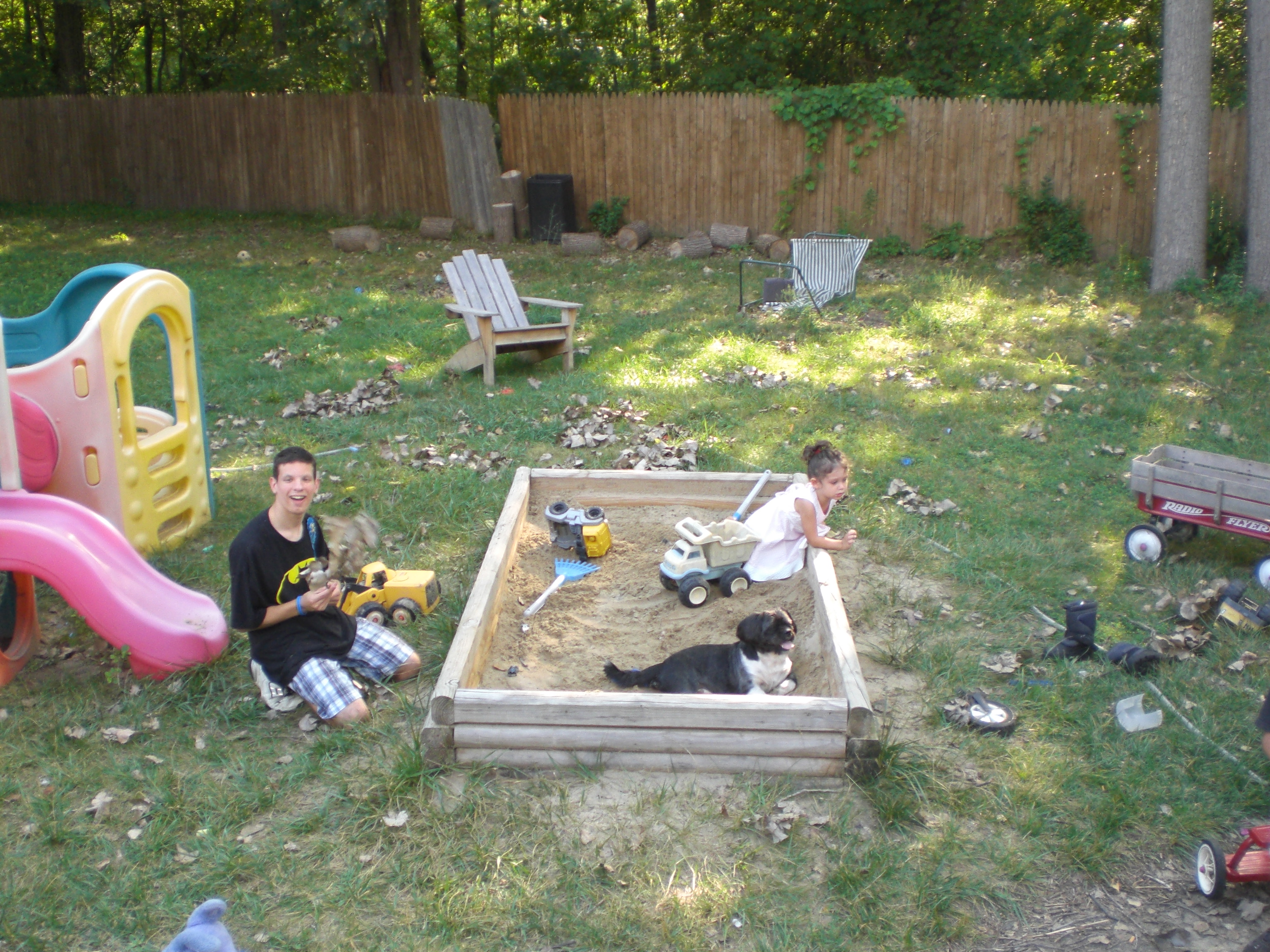
Here is “The Batman” playing with my great-niece, Penny before we left to head on to another little side trip . . .
080

And here are all of the boys and Penny together!

083

From there, we headed to Northern Michigan, more specifically Rapid City and Bellaire, MI, to see my mother’s last surviving siblings, Aunt Marge and Uncle Jim, and their respective spouses, Uncle Leon and Aunt Ann. They are all elderly, and I wanted very much to see them before we moved so far away, so my husband made it workable for us. I’m so grateful to him for doing that for me . . .

With our late start, and then a longer stop than we planned in Flint, we didn’t get to our motel (The All Seasons Motel in Bellaire) until about 10:00 p.m., but they were ready for us, after my husband had called them to say we were delayed. It was a small, basic room, which was fine for us. We just needed a place to sleep, shower and change, as we spent most of our time there either with my aunts and uncles, or swimming, or roaming around the village of Alden, showing the kids some of the places we went to when I was younger.

“The Batman” and “The Artist, bedding down for the night . . .

102

Mr. “Loquacious”, sound asleep . . .

103

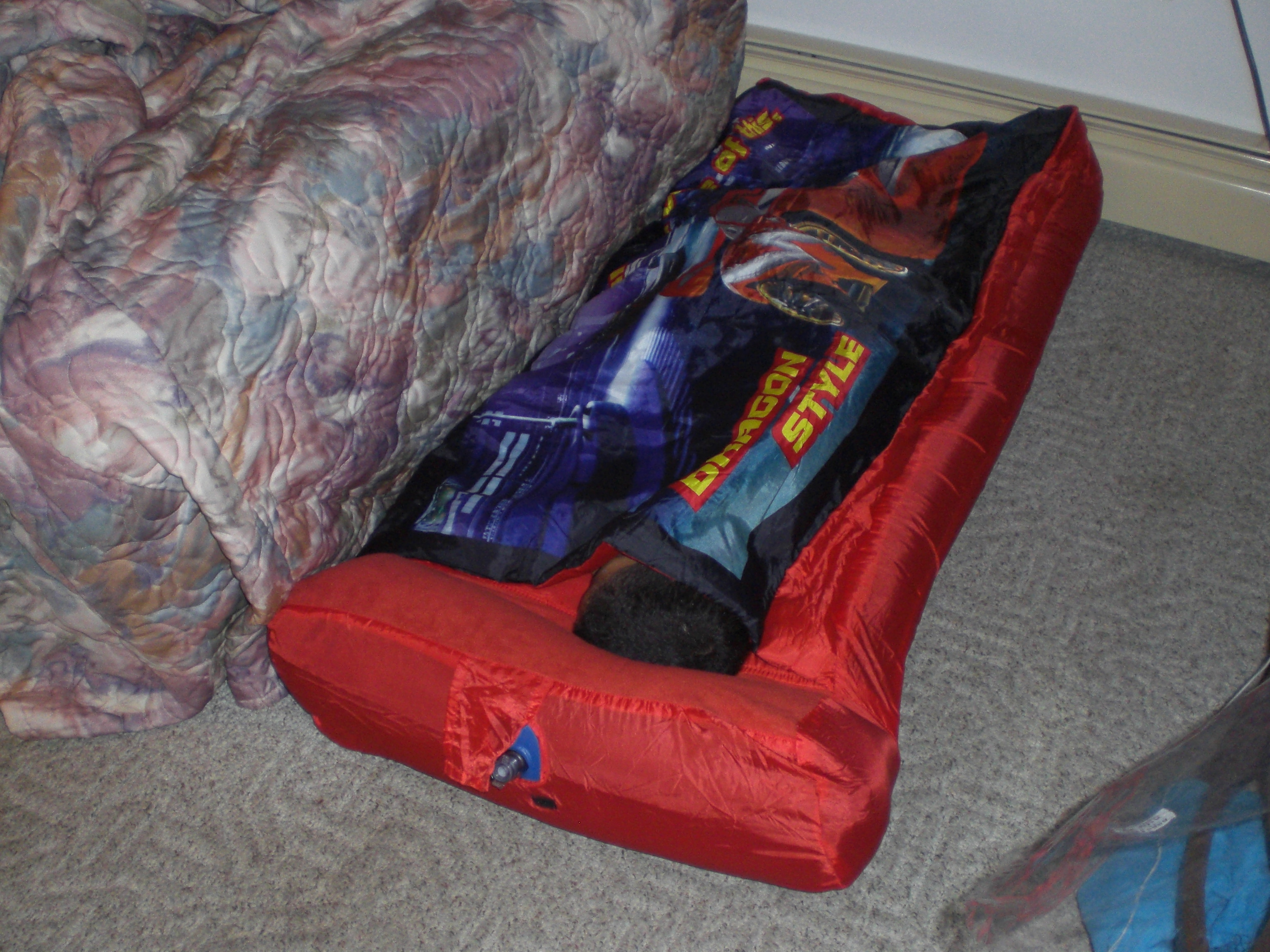
And the “Puzzler”, totally zonked out!
104

Spending the morning at Torch Lake, in Rapid City MI . . .

“Mom! Are you SURE this water is warm enough?!” (Torch Lake is a spring fed lake, and cold when first going in, lol!

085

They soon decided it was worth it, though!

088

089

092

095

In Alden, MI wandering around before heading back over to see the aunts and uncles one final time before heading west . . .

This sign is right at the edge of the lake in the village of Alden . . .

100

Torch Lake has been rated by National Geographic as the cleanest lake in America, and the third cleanest in the world!

One of the shops we like in Alden . . .

Carter’s Candles, I still have a Petoskey stone magnet from this store that my husband and I bought on our honeymoon 23 years ago!

108

Love the new Alden sign posts!

110

At this point, we’d checked out of the motel, and gone back to see my aunts and uncles one last time. Here are the boys with my Aunt Marge and Uncle Leon . . .

114

And here is the only picture that came out of me with them, I look half asleep, lol!

115

After saying good-bye one last time, we headed down the road to my Uncle Jim’s house to see him and his wife, my Aunt Ann, one final time . . .

118

120

It was a difficult good-bye for me. As I said before, my Aunt Marge and my Uncle Jim are my mother’s last surviving siblings, and they and their spouses are all in their late seventies and eighties, so this was very likely my last time I will ever see them. It was very quiet in the car for a while after we left . . .

We then headed west, and as we were going through the area of Holland Michigan, I phoned my Aunt Carol, who lives there with her new husband. She is my Uncle Keith’s widow, and I so loved him, and her, so I was hoping we could meet up briefly. She didn’t answer her phone, but called me back shortly after we passed Holland. We turned back, and met her at a road-side farmer’s market.

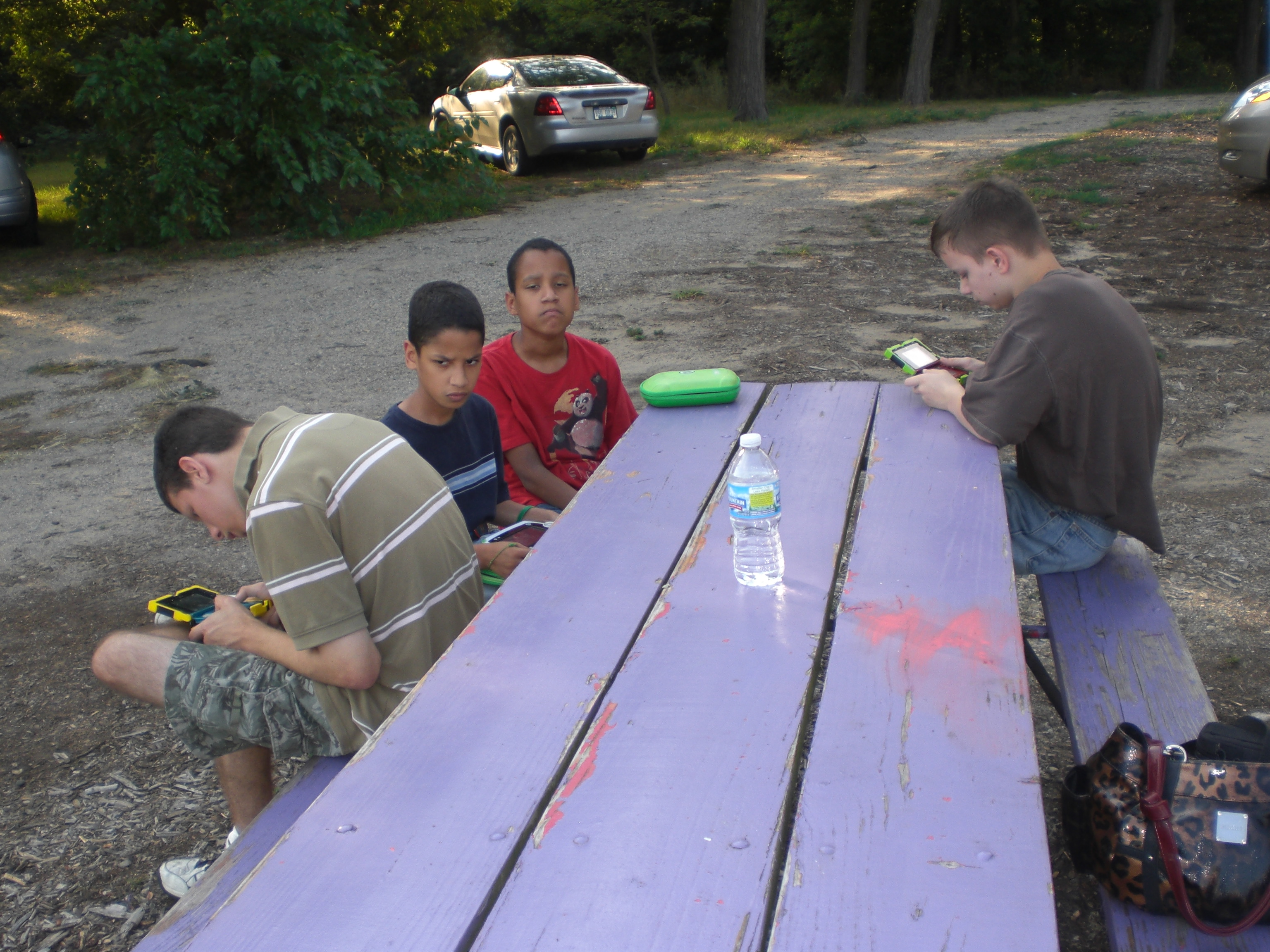
Here are the boys, entertaining themselves while we wait for Carol to meet us . . .
121

We followed her over to the beach on Lake Michigan, someplace we’d never been, which meant we’d now driven from the east coast of Michigan (Port Huron) to the west coast of Michigan!

122

Here are the boys with my Aunt Carol . . .

124

and here’s one with just me and my aunt!

126

And now, we were truly leaving Michigan, on August 1, 2012, with our next stop being a quick night in a motel in Indiana. Stay tuned tomorrow for the next leg of the journey, because it starts out super FUN (see the sarcasm there, lol?)

As always, I’d love it if you’d sign up to follow my blog via email! Just click on the “sign me up!” box at the top right of this page and enter your email address! 🙂

Hop on over to the main blog hop post, so you can check out all the other participating bloggers!

Summer Blog Hop

2 Comments

Filed under 1700 Mile Adventure, Blog Hop Aug. 5 - 9, family, Kids, Schoolhouse Review Crew Post, Transitions, Travel

Transitions, part 1

A year ago, my husband had already been here in Albuquerque, New Mexico for about a week, busily finding us a house to rent before he needed to report to his job.

Here is my husband’s car, loaded up for his trip before he left Michigan . . .

010

The blankets are to cover up things like his computer and TV (he was there a whole month before we were, so it was nice for him to have those!), and also for him to use for sleeping until we arrived.

011

It doesn’t look like he took a lot, but we space bagged ALL of his clothing, and he was able to take it in the areas you see filled with stuff. 🙂

And here he is, about to leave for his part of our new life in Albuquerque!

013

Meanwhile, back in Port Huron, Michigan, our boys and I were getting ready to move the household and ourselves to New Mexico, the biggest move I’ve ever managed on my own. We began packing up the rest of our things, beginning with my scrapbooking and papercrafting supplies, since I would not be able to either go out to scrapbooking night anymore now that my husband was gone, and wouldn’t have time anyway.

Here I am, boxing up my big Crop in Style xxl tote . . .

015

018

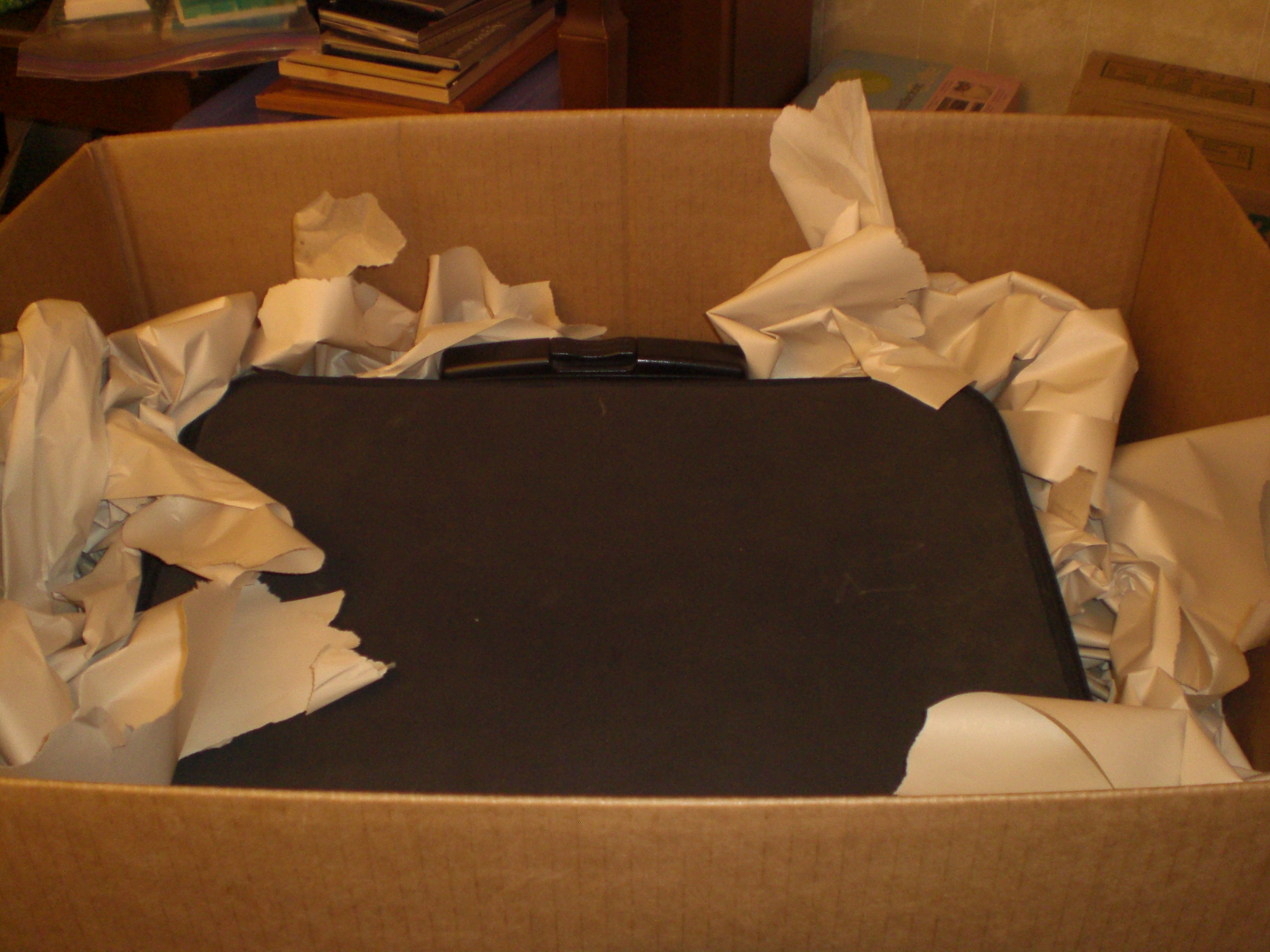
This pile of boxes, with the exception of the flat box in the front (that’s the TV), are my crafting things, plus one box of piano lesson books.

020

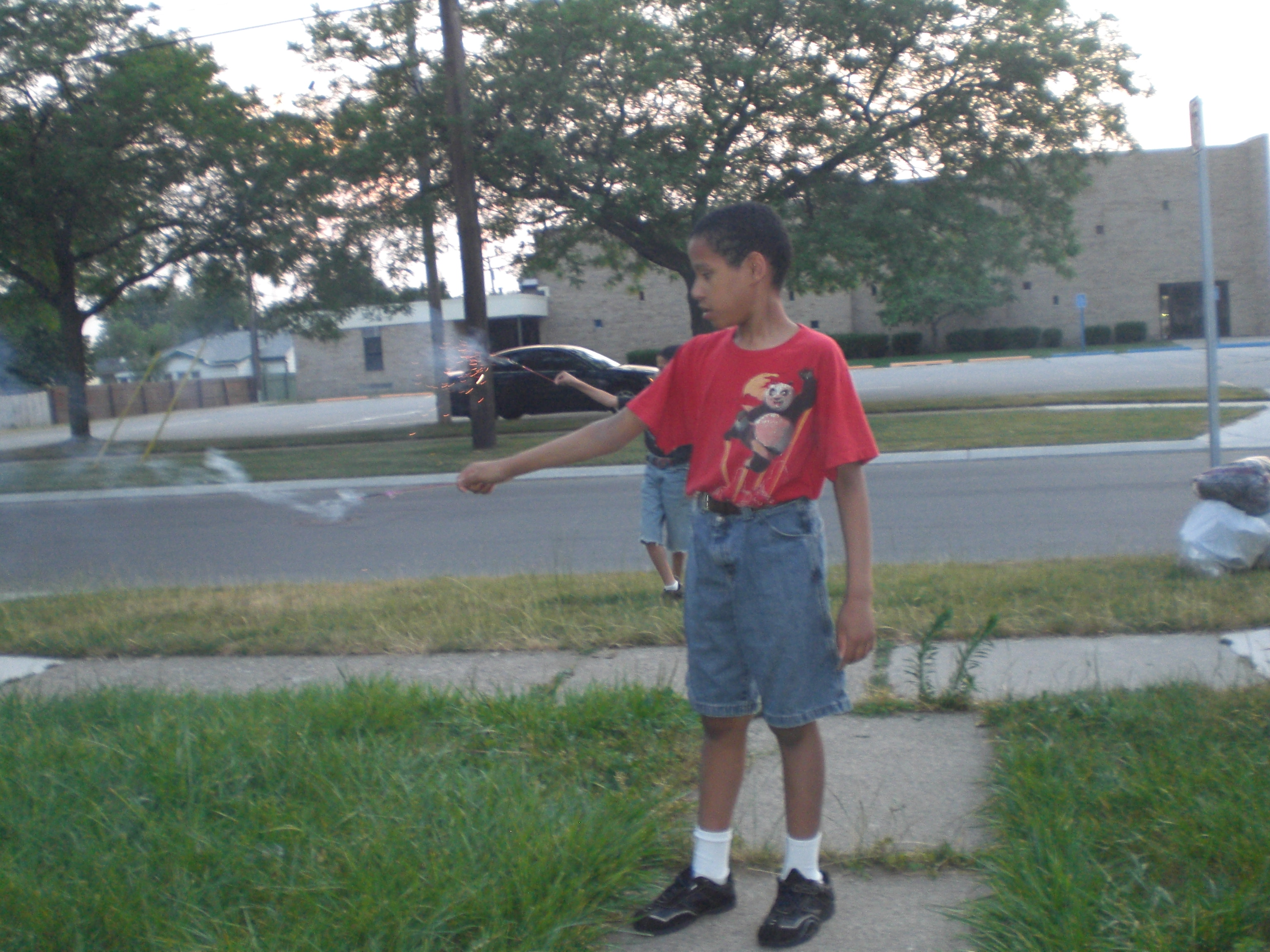
We took a break on the fourth of July. Although my husband didn’t want me to take the boys to the fireworks by myself, they did do sparklers out in front of the house . . .

“Mr. Loquacious” . . .

021

“The Batman”

023

“The Artist”

024

“The Puzzler”

025

And then when it got dark, we joined in with our next door neighbors and combined the (legal) fireworks we had purchased.

028

035

040

050

058

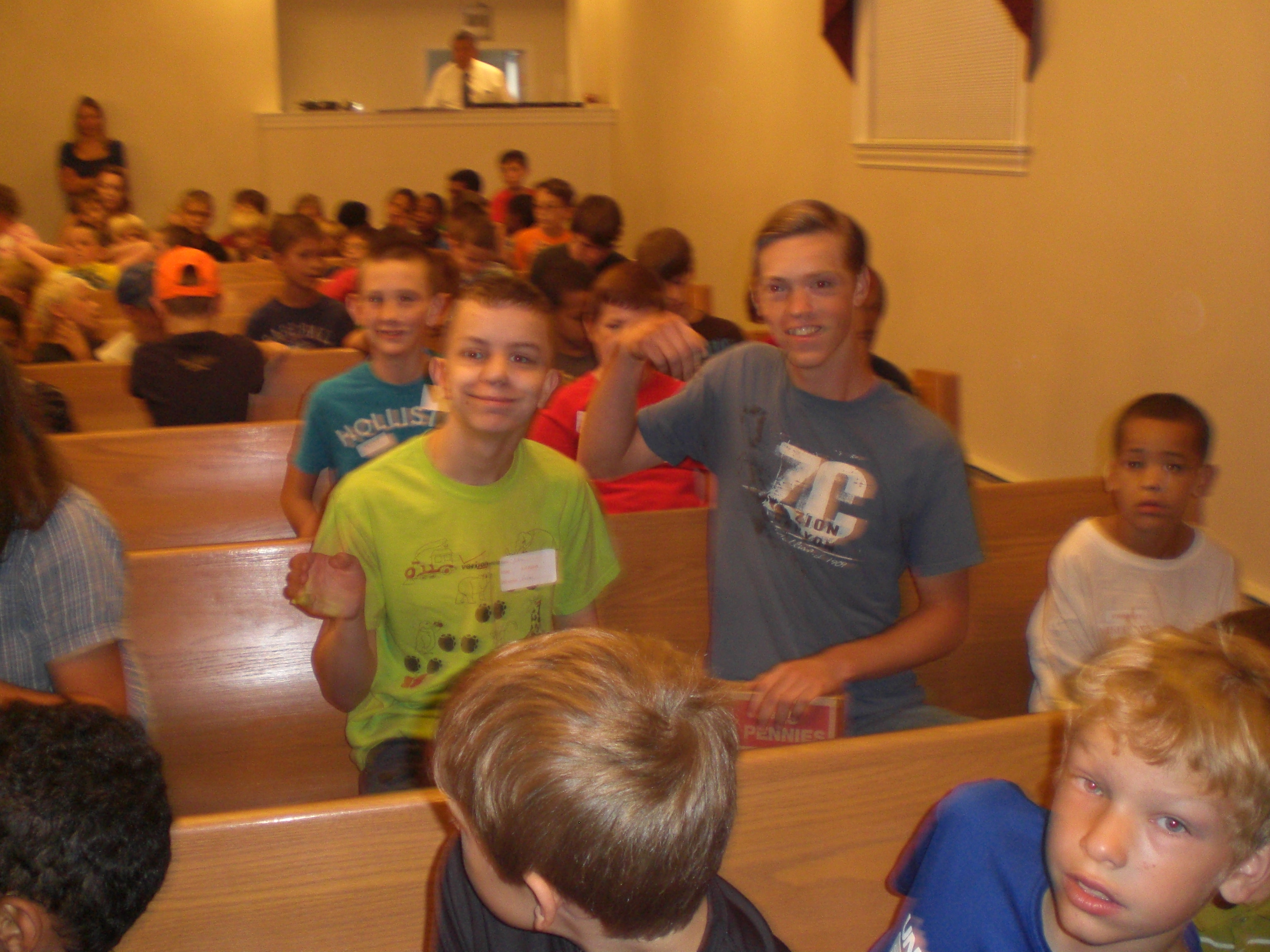
Our church back in Michigan also had Vacation Bible School the week before our actual move, and a dear friend at church (thank you again, Phyllis!) offered to take the boys each day so I could get errands done without having to drag the boys around and take twice as long.

Here is “Mr. Loquacious” . . .

059

“The Puzzler” . . .

060

“The Batman” . . .

061

and “The Artist” . . .

062

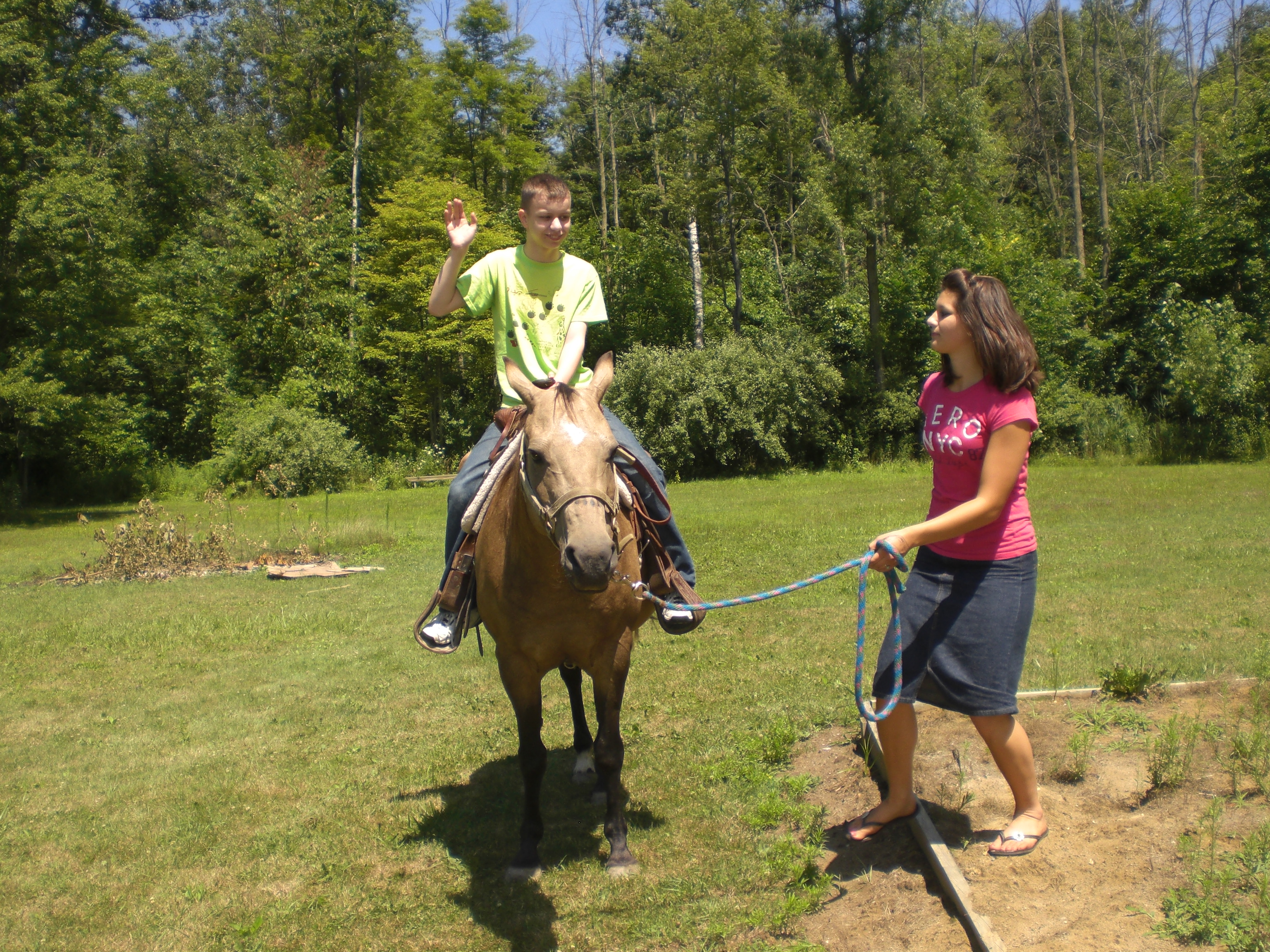
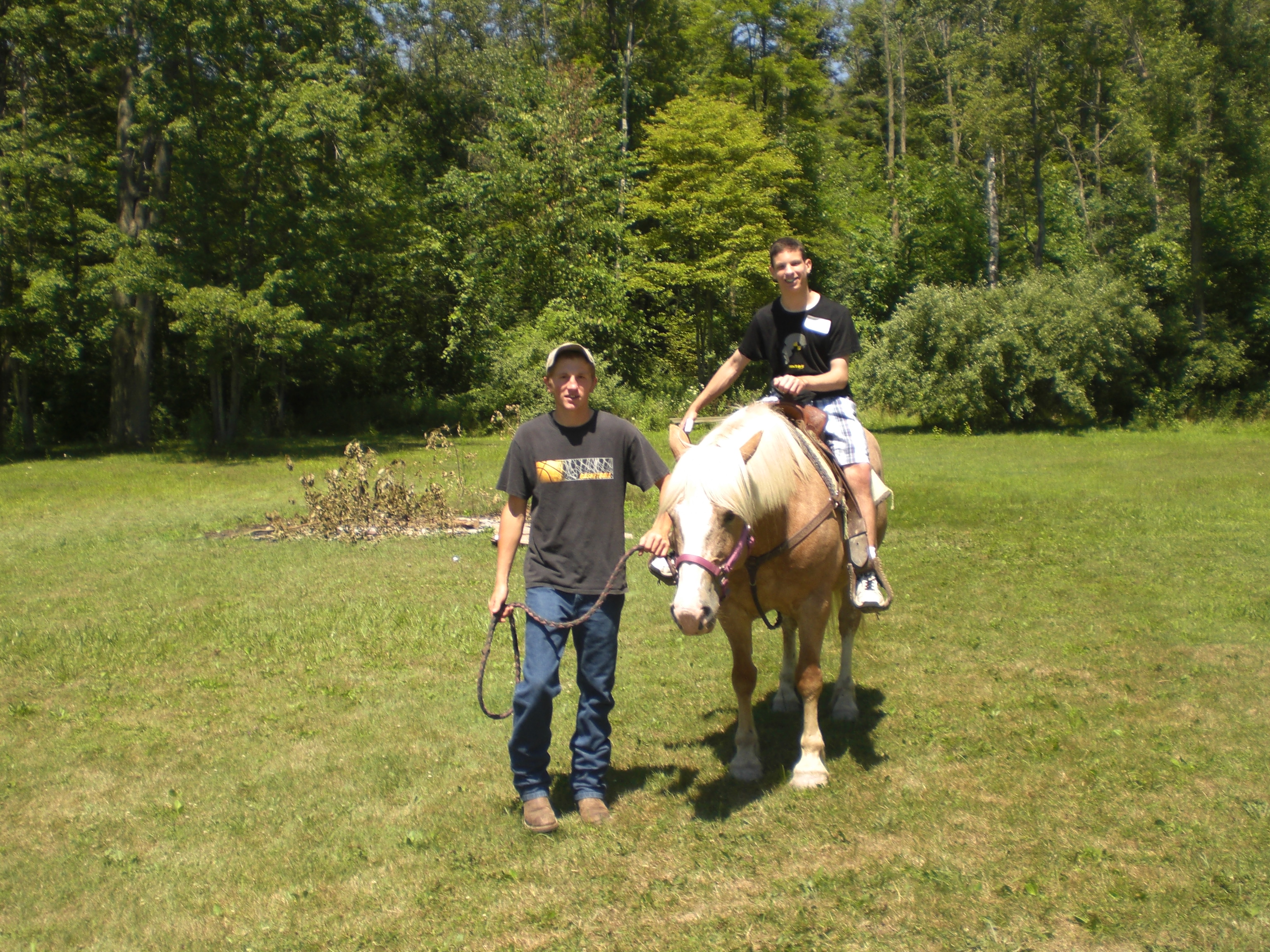
There is a family who brings a couple of horses for the final day of Vacation Bible School, so the kids can have rides.

Here is “The Artist” . . .

065

“The Puzzler”

066

“Mr. Loquacious”

067

and “The Batman”

068

On the final day of VBS, “The Puzzler” received Jesus Christ as his Savior, and he was baptized at the end of morning service that Sunday.

072

071

On our very last Sunday at Sparlingville Baptist Church, our church family gave an afterglow with ice cream and cake in our honor. Before that, at the close of service, Pastor Milton called the boys and me up onto the platform, and thanked us for our years at Sparlingville, after which he gave me this beautiful plaque from the church . . .

005

. . .which now is displayed in our home here in Albuquerque.

The following day, Monday, August 1, 2012, was moving day. The moving truck arrived, and the men loaded it up!

073

074

075

076

Soon after that, the boys and I loaded up the minivan with what we were taking on the road, and off we went, on the biggest adventure we’d ever had, a 1700 mile trip across the country, with stops along the way to see family and friends, ending with our arrival in Albuquerque! I will be continuing the story of our trip, and our transition into life in New Mexico, in future posts, so keep watching! 🙂

4 Comments

Filed under Christian faith, family, Transitions, Travel

Moving Beyond the Page . . . a TOS Review

During the past few weeks, my boys and I have had the pleasure of reviewing a “new to us” curriculum from Moving Beyond the Page.

Each reviewer from the Schoolhouse Review Crew was given two different unit studies, a language arts unit and either a social studies or science unit. One was a physical copy, and the other was an online unit study, with the necessary books being mailed to us.

My family received Unit 3, “American Heroes” (Language Arts), and “People Change the World” (Social Studies). These are both geared for ages 7 – 9, and are designed to work together, although any of the units sold by Moving Beyond the Page can also be stand alone products. In our case, the language arts unit was the one we received as an online unit, and the social studies unit was the physical copy mailed to us. This way, we would get a good look at how each works, and be able to tell you what we thought of each method.

unit_35

unit_36

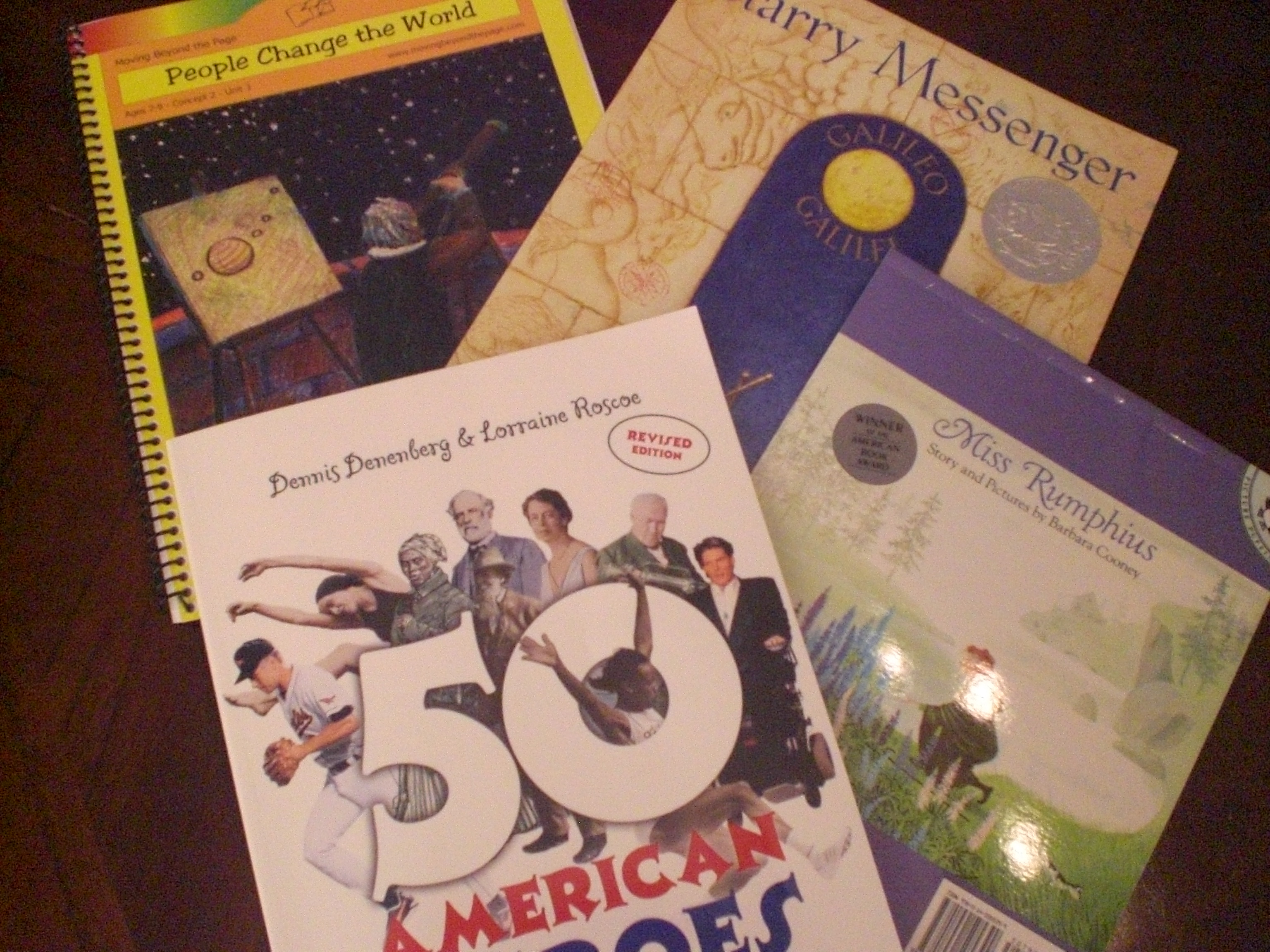
Here is a picture of what we received, for use with both units.

Moving Beyond the Page Review 004

As you can see, we received the printed copy of the social studies curriculum “People Change the World“, and the accompanying story books “The Starry Messenger” by Peter Sis and “Miss Rumphius” by Barbara Cooney. The Social Studies unit we received sells for $32.97 if you want the physical copy mailed to you, and $28.91 if you wish to purchase the online version. We also received a physical copy of the book “50 American Heroes” by Dennis Denenberg and Lorraine Roscoe. As I said before, we received the online version of the language arts unit, which sells for $ 27.88, while the physical copy sells for $$31.94.

The only big differences between the online version and the physical copy were that with the online version, the curriculum and worksheets are online, so I read the lessons on my tablet and then printed out whatever activity sheets were necessary for each lesson, whereas with the physical copy, all of that was in the printed curriculum book. Because of copyright issues, you cannot make copies of the activity sheets from the book, which is the one downside to the printed version. However, the one downside to the online version is that you have access for only three months. Now, each unit is designed to be finished within about three weeks, so of course, that does give you plenty of time to complete your unit, but personally, my whole goal in purchasing online, downloadable material, is so that it can be used again with younger siblings. With access being given only for a few months, it feels more as if it’s a rental than a purchase. At the same time, because the download version is licensed to a family, you may print out activity pages for each child doing the unit, while the printed version doesn’t permit that.

In our case, we do a LOT of things as a group, because I have special needs children. Between that, and the fact that I am STILL recovering from surgery, and mostly stuck on the couch with my feet on pillows, we did this as a group, and mostly orally, which is one way I tweak a lot of curriculum to fit the abilities of my children. When there was an activity page that could be printed out that they were able to handle, that’s what we did.

Each day, my boys would gather around in the family room and listen while I read to them from the lessons. I read the story books out loud to them as well. Although most of the actual activities were too much for them, we WERE able to go through them orally, as a group, which led to lots of good discussions, and questions. In fact, pretty much every day when their dad got home from work, all of the boys went on their own and told him all about what they had learned, and talked about that day while doing these units. 🙂

Here are all of my boys working on an assignment . . .

Moving Beyond the Page review 003

In this assignment, they were matching contractions to the words they were made from, and then writing sentences that went with what they had learned that day, with each sentence containing one contraction from the list on their activity page. Off to the side, you can see a stack of drawings. They had each drawn three pictures of inventions or discoveries they felt had changed the world, an assignment from that day’s social studies lesson. Not surprisingly, each and every one of them chose television as one of the inventions! 🙂

From the website:

“All children can benefit from our unique approach to education. This is especially true for hands-on, creative, and gifted learners. A traditional or classical approach will often leave these children bored and uninspired.”

Now, my children are not considered “gifted” children, but even so, they did get quite a lot out of both of these units. I was actually very surprised, frankly, because I wasn’t sure at all that even with major tweaking (which I often need to do with purchased curriculum), that they would be able to handle it. But, I am very pleased to tell you that even with a curriculum that states right up front that it is at least in part geared to “gifted” students, if you take the time to do it in a different way, your special needs children can learn from this, too. My children learned more in-depth about several people (Harriet Tubman, Galileo, etc) than they might have otherwise, BECAUSE we did these units orally, and because I was stuck on the couch and couldn’t do much of anything else, we had the time to devote to their questions, and their discussions. My children were interested and eager each day to get to these units, which makes me happy, because as most of you already know, I am a firm believer that there is no reason at all that learning cannot, or should not, be enjoyable, if that is at all possible. My boys enjoyed this, so I enjoyed it, too.

To read what my fellow crew mates thought of this and other units from Moving Beyond the Page, please click the graphic below!

Photobucket

1 Comment

Filed under education, family, home education, homeschool products, homeschooling, Kids, Schoolhouse Review Crew Post

Baker Publishing Group, a Review of The Adventures of Lily Lapp, for the Schoolhouse Review Crew

At least in part because I’m currently recovering from surgery on both of my feet, and (mostly) stuck on the couch with my feet elevated, I was very glad to be chosen for this review. Also, to be honest, I have always enjoyed reading Amish fiction, and this is the first time for me to be reading Amish fiction centered around a child.

Baker Publishing Group has thus far published two of the expected four books in a series called The Adventures of Lily Lapp, and we received both of them to read and review! Book one is titled “Life with Lily“,

and book two is titled “A New Home for Lily“.

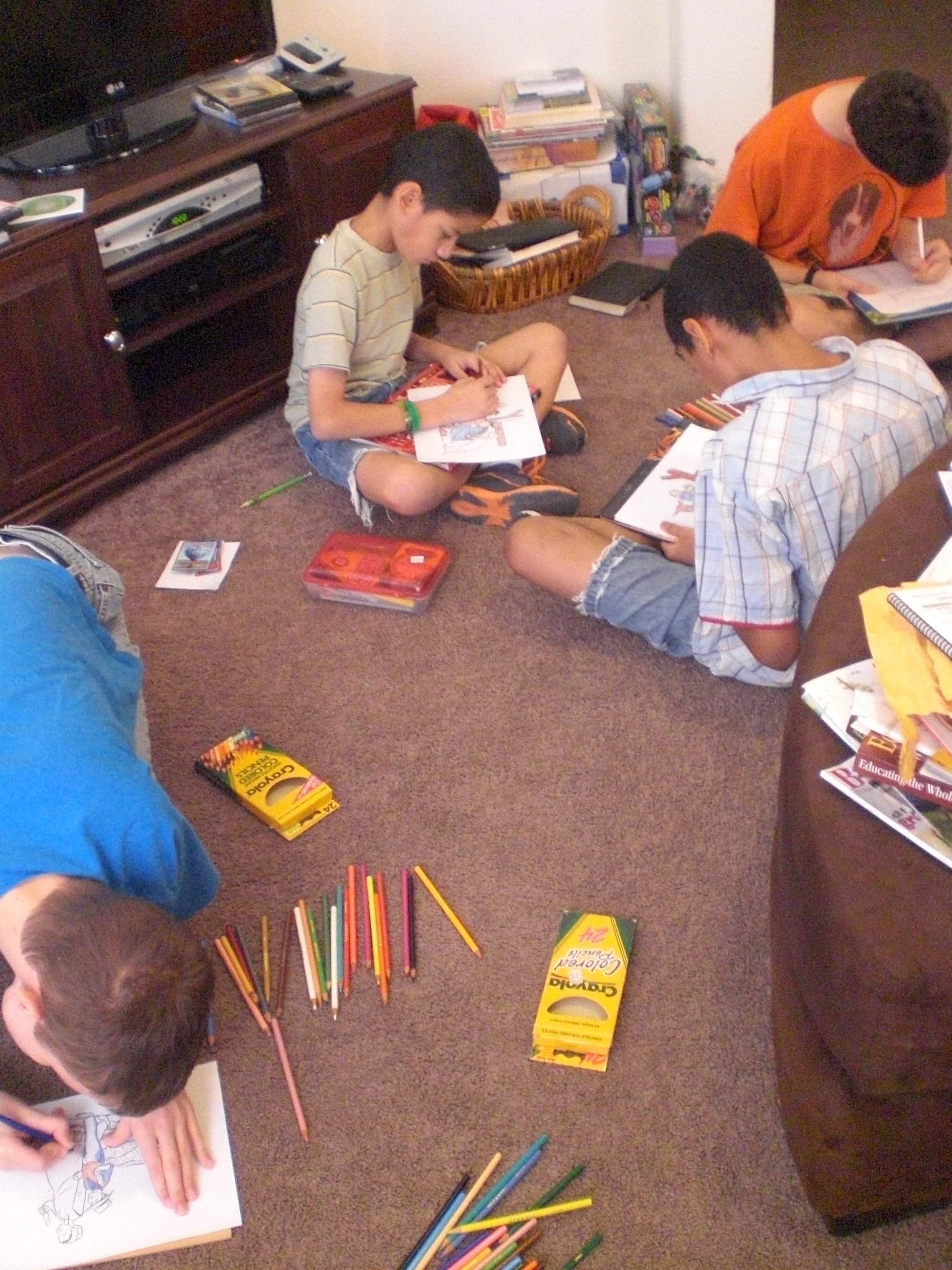
These books are geared toward children aged 8 – 12, and you might think they are written for girls, but don’t let either of those things stop you! As most of you know, I have no girls, I have four boys. Every one of my boys came drifting out to the living room, as I lay on the couch, feet propped on pillows, to hear me read these charming stories out loud,

004

and every one of my boys sat on the floor while I was reading, and did the coloring pages and word searches that go with each book, and can be downloaded from here.

009

Here are some of the finished pages . . .

008

The books in this series are a combination of the real life childhood memories of Mary Ann Kinsinger, who was raised Old Order Amish but chose to leave as an adult with her husband, and the best selling writing of Suzanne Woods Fisher. Mary Ann Kinsinger now writes the popular blog A Joyful Chaos, while Suzanne Woods Fisher, author of several Amish novels which include the Lancaster County Secrets series and The Keeper, is the host of the internet radio show Amish Wisdom.

We have very much enjoyed reading both of these books! It was so funny, one of my boys, “Mr. Loquacious” was constantly saying “uh oh”, at different times in the book, because he KNEW that whatever Lily, or one of her younger brothers, was about to get up to was going to get them into trouble. 🙂

My boys were consistent throughout the book in pointing out things like “you say that all the time, mom”, when one of Lily’s parents would give them a bit of a talking to about something. While the Amish don’t necessarily believe EXACTLY the same in all ways as we do regarding matters of faith, there were many areas where my kids spotted right away that it was the same, such as their belief that it wasn’t God honoring to celebrate Halloween, for example.

In “Life with Lily” (you can read an excerpt here), we meet five-year old Lily, who lives in upstate New York and who is learning to deal with lots of new things. She gets a new baby brother (although she really would like to have a sister!), she begins going to school for the first time, she has to learn to deal with having a girl at school who is pretty mean to her, and to others. She also loses her much-loved teacher, after she (the teacher) is badly injured in an accident, and then she and the other students must deal with a new, mean teacher. Because of the way the new teacher treats the students, she is not asked back, and the students end up home-schooling the following year while waiting to find a new teacher for their school. Lily also turns six during this time.

My boys were surprised to find out in the story that Amish children generally go to school only through the eight grade. A lot of other things surprised them, like having no electricity, no cars, etc. They kept saying it was “the olden days”, and having to be reminded that it really wasn’t, that the Amish live this way now.

Toward the end of book one, “Life with Lily“, Lily has yet another difficult thing to deal with, her family decides to move to another Amish community in Pennsylvania. Now Lily has to watch many of their belongings be auctioned off before the big move, which struck a chord with me, and with my boys, remembering less than a year ago when my husband’s job caused us to have to move 1700 miles from everything and everyone we’d ever known. My boys pointed out that it was like when I was sorting through deciding what to put into our moving sale, how hard that was.

In book two, “A New Home for Lily” (an excerpt is available here), we see the family move into their new home, a place Lily really, really dislikes. She doesn’t like the color of the house, or the kitchen counter. She learns that different Amish communities have different rules about dress (Lily’s mother must make all new clothes for them, and new head coverings for both herself and Lily), about technology (here, they are not allowed to have the refrigerator (which is not electric) kept in the kitchen, so they must put theirs on the porch. And Lily discovers that no matter where you go, there will still be disagreeable people to deal with, when she meets yet another mean girl in school.

This book carries us all the way through when Lily is promoted to the fourth grade. In this school, she once again has a teacher she can love, and makes new friends. She and her brothers do continue to get into mischief, though, and she also gains yet another baby brother.

I very much enjoy the writing in these books, it is so descriptive! A favorite sentence is toward the end of the second book, “A New Home for Lily” . . .

“The sun went down and darkness crept over the land like a big velvety blanket that was coming to tuck everything in for the night”

These stories are just full of descriptive writing like that!

There are two additional books planned for this series, “A Big Year for Lily” (read an excerpt here), due to be released in July, 2013, and in September 2013, book four, “A Surprise for Lily“, for which there is no excerpt available as yet.

I have already had to promise my kids that we’ll order the next two books, so that they can find out what else happens to Lily, and her brothers Joseph, Dannie and Paul! 🙂

The books are available for purchase at the cost of $12.99, which is a very fair price. These are not little, thin picture books. “Life with Lily” has 280 pages, and 39 short, easy to read chapters. “A New Home for Lily” is 266 pages, with 36 chapters. In both books, each chapter can stand alone as a self-contained story from Mary Ann Kinsinger’s childhood.

To read more reviews of The Adventures of Lily Lapp, please click below!

Photobucket

Leave a comment

Filed under Christian faith, education, family, home education, homeschool products, homeschooling, Kids, Schoolhouse Review Crew Post

Relaxed Homeschooling . . .

So today was a good example of one of those “relaxed homeschooling” days . . . as you know, I am currently recovering from surgery on both of my feet, five toes total, three on the right foot, 2 on the left, and am coming to truly realize just how much your toes are involved in supporting the weight of your body. Yes, they still hurt.

Lately, we’ve been working on a unit study from Moving Beyond the Page which I am reviewing. this is actually fitting into our “relaxed” homeschooling we’ve been doing, especially during my recovery, because as is usual with many professional curriculum, I am adapting to fit my special needs kids. So, we do a bit of this each day, and the kids are enjoying it, so far.

This morning, after breakfast, the boys watched a couple of educational shows on pbs (Super Why and Dinosaur Train), then we did a read aloud from another book I’m reviewing for the review crew (review will be posted within the next few days!). Then, they got to watch Daniel Tiger’s Neighborhood (which I didn’t at first realize was a spin off of Mr. Rodger’s Neighborhood), and then Sid The Science Kid.

After Sid, we had a simple lunch, followed by watching four more episodes of “Watch Mr. Wizard”, a DVD I am reviewing. I asked for that one because of my childhood memories of a Mr. Wizard science book from the library, in which there was an experiment using charcoal, bluing, food coloring and I don’t recall what else, to make a crystal garden in a goldfish bowl. 🙂 And now, my kids are being introduced to Mr. Wizard, which is fun for me. They are really enjoying it, too, so tomorrow we’ll finish watching the second DVD I received.

We then did more of the read aloud from the morning, while the boys colored pictures and did a word search based upon the book.

They are now watching Word Girl, and after I post this, I intend to get a couple of things downloaded, and then go get these poor sore feet back up on their pillows for a little while!

So, that’s what a “relaxed Homeschooling” day looks like around here . . . how about at YOUR house? 🙂

2 Comments

Filed under education, family, health, home education, homeschooling, Kids

Let’s Make a Web Page . . . a TOS Review

We recently had the opportunity to review “Let’s Make A Web Page” by Phyllis Wheeler, published by Motherboard Books, and available for purchase at the cost of $19.95.

motherboardbookslogo_zps225f4801

Wheeler, who bills herself as “The Computer Lady from Motherboard Books, promises this e-book for ages 8 and up “takes you by the hand and shows you how.”

The author advises that you download a free trial version of Visual Site Designer (VSD) from CoffeeCup and includes screen shots from that program in the e-book. The e-book states that it works on Windows XP and newer (we tested it with Windows 7), and also states will run on a Mac if you are running Parallels Desktop . There are no surprises; she fully discloses her reasons for recommending the program and tells you up-front you’ll need to pay for it ($49.00) if you want to use VSD past the trial period. As a result, however, most of this e-book is instructions, hints and tips for using VSD.

The lessons are written for ages 8 and up and as promised, they are easy to understand and there are plenty of screenshots to help. Later lessons provide great resources for free animations and backgrounds to add to your web page. There’s also a troubleshooting guide to help.

The Table of Contents are as follows:

Lesson 1: An Interview
Lesson 2: Download and Set Up the Program
Lesson 3: Add Text
Lesson 4: Add Photo
Lesson 6: From The Internet, Add Animations
Lesson 7: Browser Check, Backgrounds, Photos
Lesson 8: Sound
Lesson 9: Links
Lesson 10: Post Your Work
Appendix A: How to Upload to the Internet
Appendix B: Troubleshooting

Please note: The omission of “Lesson 5” is not my typo. More on this later.

Because of a recent surgery, I asked my husband to assist with this review. I have been “living better through chemistry” due to post-op pain, and I reasoned he would be (between the two of us) best suited to oversee this particular review. He chose “The Artist” as his guinea pig, test subject. Here’s how they did:

Lesson 1: An Interview – If you’re going to post a web page, you must have information to post. The author recommends having your child interview an adult and asking them five questions about themselves, their work, etc. Seeing as my husband has a standing policy of always being available to the media, “The Artist” chose him as his subject and his work (Tech Support Rep for a Wireless Communications Company) as the interview topic. They followed Wheeler’s recommendation to type the interview results into Notepad and save it for later use. She also recommends taking a digital picture of your interview subject to add later, but my husband already had several to choose from saved on the computer.

Lesson 2: Download and Set Up the Program – This step was fairly simple and straightforward. They followed the instructions provided, and had no difficulty installing the program. Wheeler also takes the opportunity here to get your web page file started by typing a small amount of text into your file, then saving the file within VSD. She also has you view the file in Notepad so you can see what VSD adds to that tiny bit of text to make it a web page! My husband was impressed by this.

Lesson 3: Add Text – Here the author has you re-open the file you’ve been working on so you can add the text of your interview. In addition to re-opening your web page file, she has you re-open the interview file you saved earlier in Notepad so you can copy and paste it into your web page.

Lesson 4: Add Photo – Here, Wheeler tells you how to add the digital photo you took earlier

Lesson 5: Mystery Lesson – I am assuming this was simply an error the editor missed; there is no Lesson 5!

Lesson 6: From The Internet, Add Animations — Great tips in this lesson! First, turn on Google Safe Search when you need to take your child out into the Wild, Wild Internet! Second, oversee your child’s trip on the net. Third, the author gives you a great source for kid’s animations, Animation Playhouse which lets you use the animations for free as long as you link back to the site (you’ll only need to do this if you post your page on the Internet). Here, “The Artist” chose a couple of appropriate animations to add to his page.

Lesson 7: Browser Check, Backgrounds, Photos – Here, the first thing “The Artist” did was check his work in Internet Explorer using the Preview function in VSD. Note: when “The Artist” tried to preview, a popup in IE said Active X content was blocked and gave us a button to allow it. Go ahead and select that button. We haven’t added any malicious code to our page (yet, anyway), so it will be safe to view. The page looked great!

The Backgrounds section of the lesson was a little confusing. Here, the author takes us on a little side trip by searching for “free background image” and going to a site that was chock-full of ads. You had to be very careful to select the icon which took you to the free backgrounds. She states she’s using this side trip to help us “learn to be wise.” If you feel your child needs this Internet lesson, then it’s a great addition. However, if you are an Internet Pro (as is my husband) and you are overseeing your student’s trip on the Information Superhighway, it might seem like an unnecessary side trip. They went straight for the “good” link the author provided, GrSites . This is another site that will let you use stuff for free, provided you link back to their site. Because “The Artist” knows I like purple, he chose a light purple background.

The author does not mention that you may need to resize your background. When “The Artist” originally downloaded the background, it showed as a tiny, little purple square on the white background of the page. However, when they went back to the web site where they selected their background and scrolled down, there was a Resize tool. The resized the background to the same approximate size of the web page they were creating.

The next step covers using images from the Internet, specifically Google Images. While Teacher and Student did go through the steps, Student didn’t find anything he wanted to add.

Lesson 8: Sound – This is another spot where “The Artist” ran into a snag that could be attributed to an editing error. After downloading a sound file and moving it to the correct folder, the e-book tells you to go to the Tools option in the Menu Bar and select “Insert HTML” to add the sound file to your web page. There has apparently been a recent change to the VSD, as it was labeled “Add HTML” in the Tool Menu. This threw off “The Artist”, as when dealing with computers, he is quite literal. Dad was able to help here and get the music file to play on the web page. However, if you do not have your own in-house tech support, I would recommend reviewing the Help PDF file or going to their Support page (both accessable in the VSD Help Menu).

Lesson 9: Links – Since the sources of the animations, background and sound files require attribution, this was a good place to add those links. “The Artist” followed the author’s instructions to copy and paste from the browser address bar to text boxes he made on the web page, then convert them using the Links icon in VSD.

Lesson 10: Post Your Work – We had no intention whatsoever of posting this page on the Internet. However, the author provides complete instructions for making it the Home Page for your browser. The Artist and my husband tested this in both Internet Explorer 10 and the Google Chrome, and they report excellent results!

Here is a picture of “The Artist” working on the project . . .

lets make a web page review 004

Here is the project in progress . . .

ccvsd

and now, the finished product!

final product

In the course of helping “The Artist” with this e-book, my husband had occasion to read the Help.pdf file included with the VSD. He is of the opinion that the author has done a very good job of taking the basic operating instructions of Coffee Cup Visual Site Designer and restating them in terms that 8-14 year olds can easily understand. She includes helpful tips (Google Safe Search) and resources for free images, animations and backgrounds. In addition, she provides examples of how the changes you make in the VSD changes your web page by viewing those changes using Notepad. There are also plentiful screen shots to assist.

However, he also feels that the editing errors in the version of the e-book given to me to review (omission of Lesson 5; not keeping up with the phrasing changes in the program’s drop-down menus so the e-book matches the program) make the product look somewhat unprofessional. Because the product is digital and not printed, it costs practically nothing except time to update the e-book to accommodate changes VSD. I do not know if the e-book has been revised in the interim. In addition, he feels that if anyone in the family is technically proficient, they could download the CoffeeCup VSD program on their own and save the cost of the e-book.

While he and “The Artist” did enjoy going through the lessons and building a webpage, my husband said it seemed like the customer is purchasing a commercial for CoffeeCup Visual Site Designer. The guide becomes virtually useless once the trial period expires, unless you spend $49.00 to purchase VSD. Once you purchase VSD, you have access to internal help files and the CoffeeCup Support Site, making this e-book redundant.

To read what other crew members thought of products from Motherboard Books, please click below.

Photobucket

 photo DisclaimerGraphic1_zpsf612f371.gif

Leave a comment

Filed under education, home education, homeschool products, homeschooling, Schoolhouse Review Crew Post

Math Mammoth . . . a TOS Review

When given the opportunity to choose from an abundance of different worktexts from a company called Math Mammoth to review with my children, I spent some time looking at all of the choices.

Rather than going with a full curriculum, I chose to focus on two worktexts which would specifically focus on areas some of my kids have problems with because of various special needs. I was actually thinking mostly of “The Batman”, who will always have problems with time and money as a result of pre-natal damage due to his birth mother having drank alcohol during pregnancy. He has Fetal Alcohol Spectrum Disorder (FASD). So, I chose two supplementary workbooks, Clock and US Money.

I chose to have “The Batman” work with these topics, but wanted “Mr. Loquacious” and “The Puzzler” to do them, as well, so when I received access to the pdf downloads, I printed three copies of each workbook.

I really like the trend lately of curriculum being made available as a pdf download. First, it’s almost always less expensive, because the vendor doesn’t have to add in the cost of printing a book, or charge you shipping to mail it to you, second, because you can generally use it for more than one child, and third, as those who know me well are aware, I don’t wait well. I like the instant gratification of getting my product as soon as it is ordered. As I have mentioned many times, my motto appears to be “instant gratification takes too long”, lol!

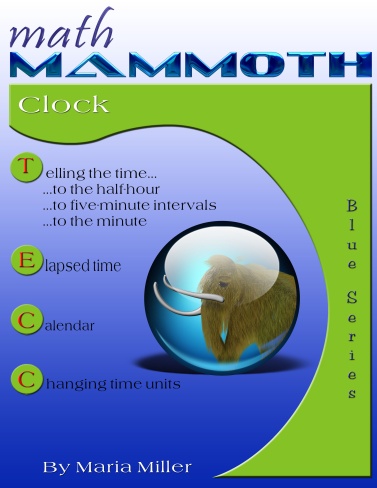
So, you can purchase the instant download of Math Mammoth Clock for $4.00, or a black and white printed copy for $10.85, by going here.

There are also links to sample pages here.

mm-cover-Clock-m

From the Webpage:

“Math Mammoth Clock is a worktext that covers telling time and reading the clock, telling time intervals, and understanding the calendar. It is suitable for grades 1, 2, and 3.”

The pdf worktext is fully printable, which is how I chose to use it, printing out the pages as needed and having the kids fill in the answers on the paper. However, if you prefer, this pdf is enabled for annotation. What this means is that you could, if you choose, have your student work directly on the computer, by using the typewriter and drawing tools in Adobe Reader version 9 or greater.

More from Math Mammoth Clock:

“Math Mammoth Clock covers reading the clock, figuring out simple time intervals, and using the calendar, all in one book. The topics progress starting from the first grade level to the third grade level. Therefore, you also can let your child work the pages of this book in different time periods, and not go through it all at once, depending on your child’s current level.

The lessons are divided to the grade-levels this way: reading the clock to the half-hour is first grade material; reading the clock to the five-minute intervals is second grade; and reading the clock to the minute is third grade level. I realize this is somewhat arbitrary, and there is no need to follow it exactly but I want to explain it so you can keep it in mind that the material in this book does get more difficult towards the end.”

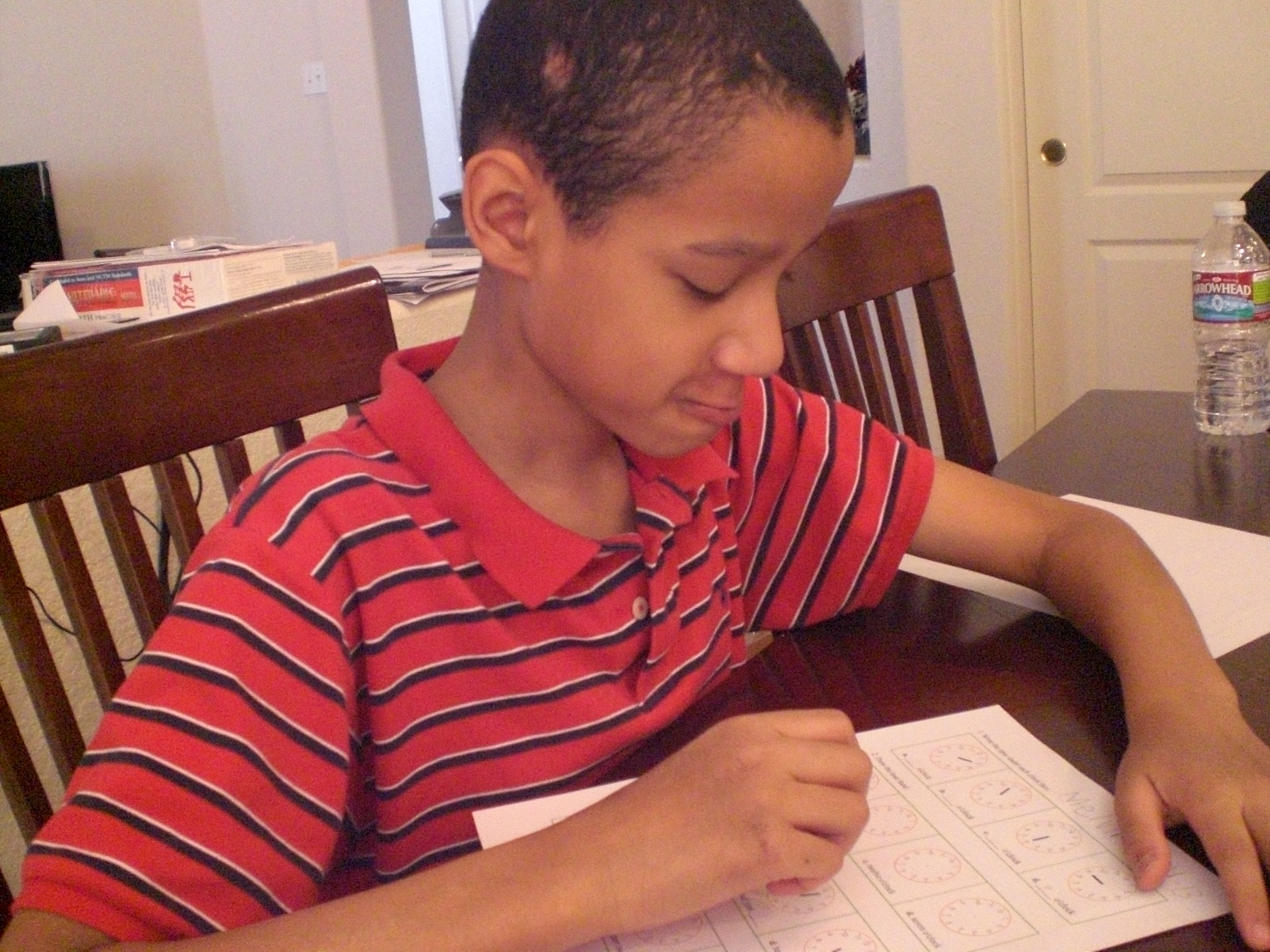
Here are some pictures of my kids doing clock pages:

First, we have “The Puzzler” . . .

008

Next, we have “Mr. Loquacious” . . .

002

And finally, “The Batman”!

001

In the Clock worktext, the only real issue my kids had was that when they were learning about time to the half hour, they kept wanting to put in answers such as “5:30”, instead of “half-past five”, the latter being the format being taught. It was mostly just a matter of this being the way they had always heard it referred to, and once they caught on that this was the way the book was teaching it, it became easier.

This is a 78 page worktext (including answers), covering time from learning the clock all the way into elapsed time, calendar, and changing time units. We are still working our way through the clock, as these particular three boys need a lot of help learning to read an analog clock. However, I was pleased to see how quickly “The Batman” picked up on it, as he is the one who has always had trouble in this area. “The Puzzler” was actually the one child who had the most problems understanding it, and “Mr. Loquacious” picked it up very quickly. I did find similar results when we worked in the US Money worktext, which I will go into next.

mm-cover-US_Money-m

The Math Mammoth worktext US Money can be purchased here. The pdf download is $3.25, or you can order a black and white printed copy for $9.50.

Math Mammoth Money is also available in the following:

Canadian Money
European Money
British Money
Australian Money

This is a 51 page worktext, including answers, and there are sample pages available here.

From the webpage:

“Math Mammoth Money is a worktext that covers U.S. money-related topics usually encountered during grades 1-3. The book contains both textbook explanations and exercises, and is designed to be very easy to teach from, requiring very little teacher preparation (you do need to find some practice coins before the lessons).”

The pdf version of this worktext is also enabled for annotation, just as the Clock worktext is, meaning, as I said above, should you choose to have your student fill in his or her answers on the computer, you can do so if you have Adobe Reader version 9 or greater.

Here is a description of what the US Money worktext covers, from the webpage:

“The book starts with first-grade topics such as counting pennies, nickels, dimes, and quarters. While the lessons use pictures for the coins, practicing with real coins is, of course, even better and you should have real money on hand to practice with.

From there, the lessons advance towards second-grade, and finally to third grade topics. Therefore, you can also let your child work the pages of this book in different time periods, and not go through it all at once, depending on your child’s current level.

The lesson Making Change explains two basic ways of finding the change: counting up, and subtracting (finding the difference). This is all done with mental math. The next lesson also practices money problems using mental math.

In the last lesson we solve money problems by adding and subtracting money amounts vertically (in columns).”

We are going very slowly through this one, because of the various special needs we deal with. So far, “The Batman” is doing pretty well, though I imagine he will need a lot more help when we get to the “counting change” part of the lessons. “Mr. Loquacious” is doing exceptionally well counting various coins together to get to the total, but “Mr. Puzzler” still has considerable trouble when counting coins if we switch from one coin to another.

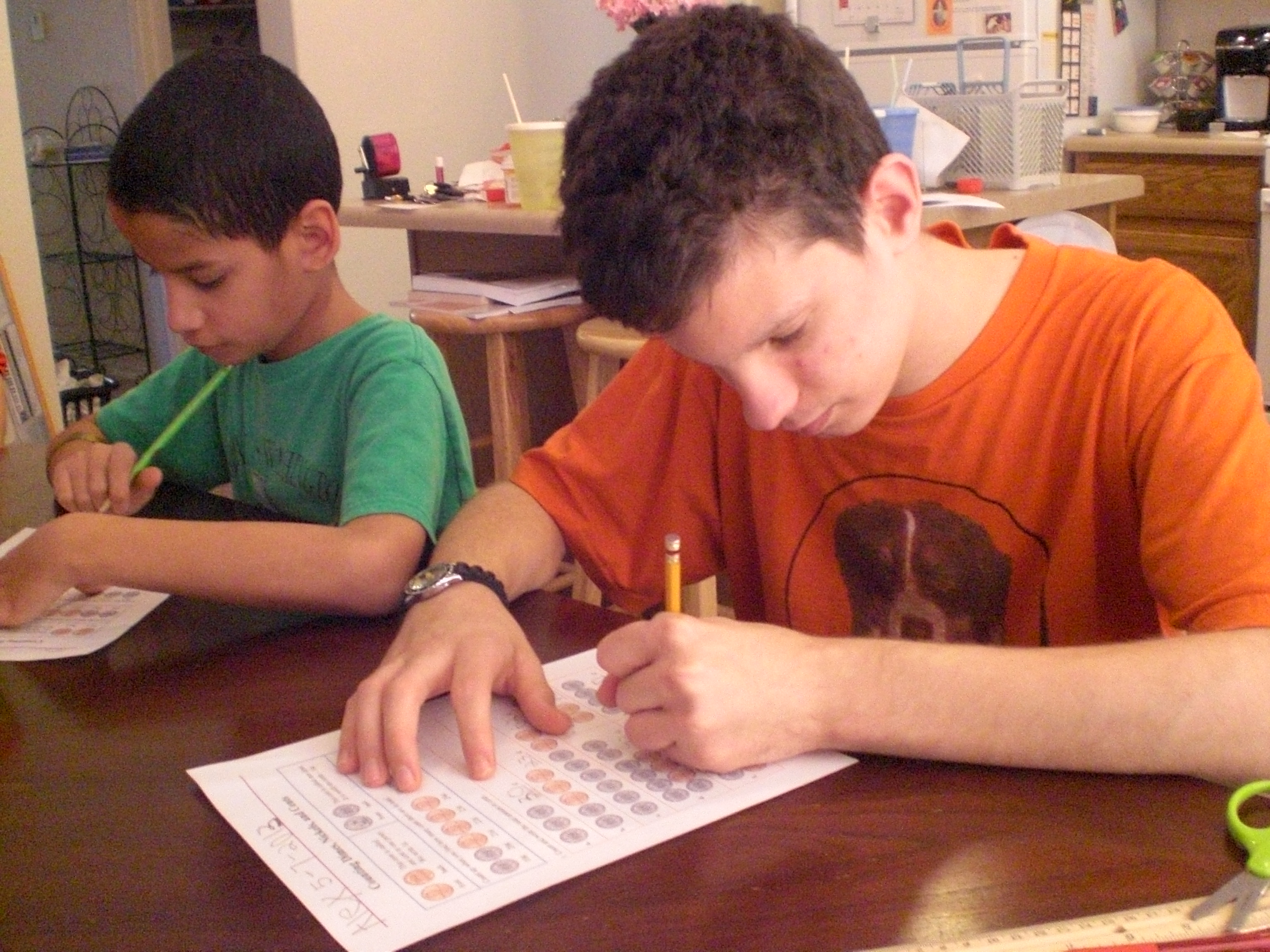
Here are the only pictures I managed to get of the boys doing worksheets from US Money:

First, we have “The Puzzler” and “The Batman” . . .

018

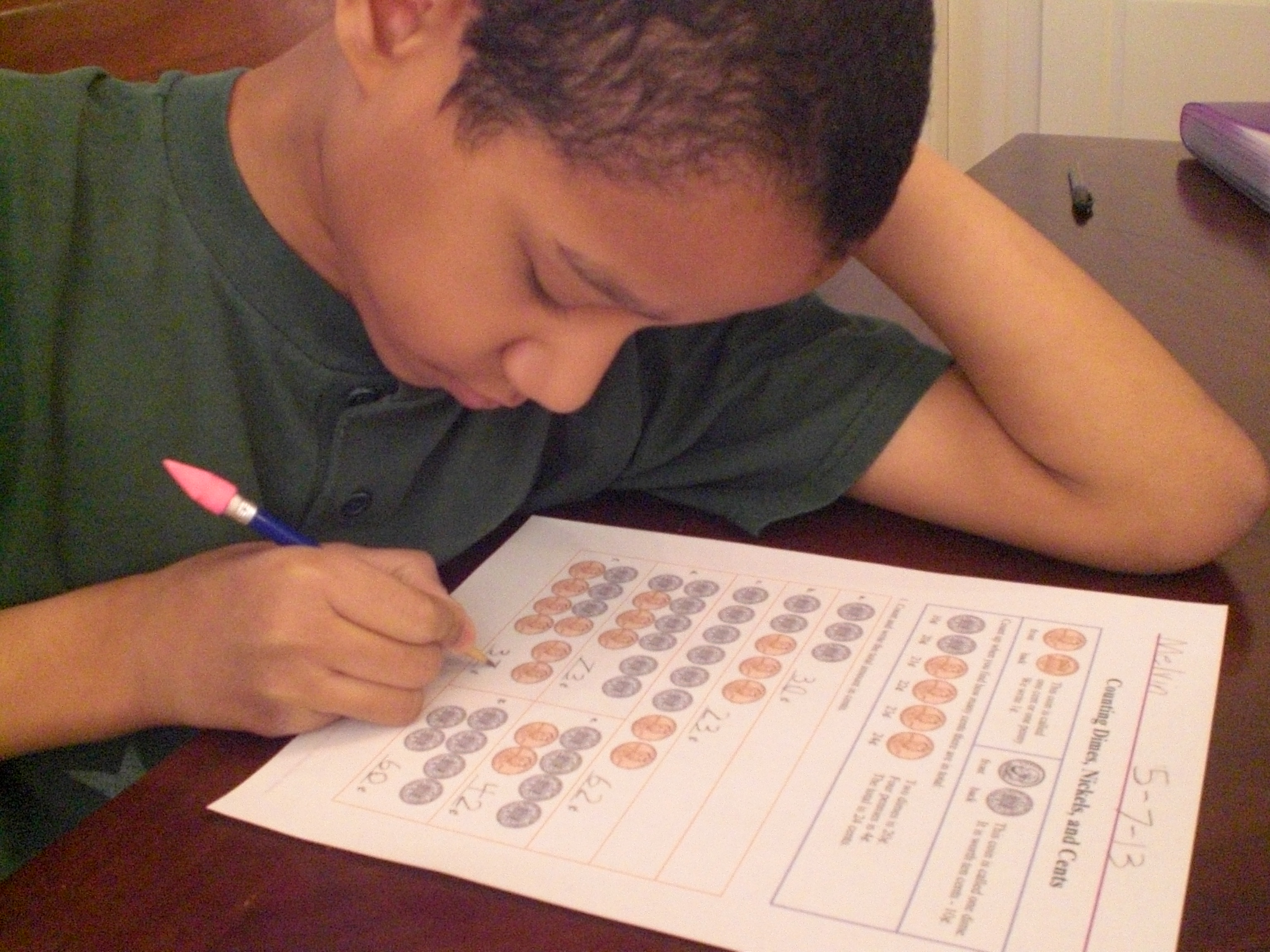
. . . and then we have “Mr. Loquacious” doing his!

019

Overall, and to my surprise, we really liked Math Mammoth Clock and Math Mammoth US Money. Whenever I tell them that we’ll be working in these worktext, they are all quick to come to the table, which just shows that they are actually enjoying learning about these topics. As far as I’m concerned, that’s all I need for an educational product to be a success, and the added bonus is that the prices are great, too!

The Schoolhouse Review Crew used many different products from Math Mammoth, and have written wonderful reviews to give you an idea of what they thought of this and other products. Please click the graphic below to see what they all thought!

Photobucket

Leave a comment

Filed under education, home education, homeschool products, homeschooling, Schoolhouse Review Crew Post

Annual Church Homeschool group Picnic . . .

I rested with my feet up all day so I could go with the family for the annual home school group picnic. Was lots of fun, good food, and the kids got in a lot of play time, but my poor feet are definitely done in for the night. We are home now, and my feet are properly elevated, but they still hurt some, so I think they will be resting up a lot tomorrow, too. They were sort of elevated at the park, but now I am on the couch with two pillows under my feet.They do hurt quite a bit, but I’m still glad we got to go. 🙂

010

3 Comments

Filed under Uncategorized

Cartooning with Pat Knepley . . . a TOS Review

As a member of The Schoolhouse Review Crew, I was given an opportunity to review one of several Art Projects DVDs from See The Light. Even though there were a number of good choices, I had no trouble at all deciding what would be a good fit here, and chose Art Projects: Cartooning with Pat Knepley for “The Artist” to work through, because he can often be found curled up somewhere with paper and pencil, drawing something. 🙂 I was dead on with this one, too! When I told him I was filling out the interest form to request it, his reaction was an immediate “oh, I hope we get that one!”

As it turned out, “The Artist” was not the only interested child in this house during this review . . . “Mr. Loquacious” asked if HE could do it as well! Of course, I said yes, he was welcome to join in. 🙂 He did eagerly watch the DVD along with his brother, and did some of the assignments, however, he got bored with it part way through and quit. While he was participating, though, he did improve his drawing, and even went off the lessons to create his own idea at least once, which I will show with pictures later.

See The Light Art Projects is a series of DVDs that can be used as stand alone DVDs, or with the complete box set, as a school year’s worth of lessons drawn from the work of nine famous artists. As I said before, we chose Art Projects: Cartooning with Pat Knepley, but there are several other choices in the Art Projects line, all of which you can read about here.

The Art Projects: Cartooning with Pat Knepley DVD is an enjoyable way for anyone of any age to learn cartooning basics, though it is designed for anyone age 5 and up. With this DVD, you and/or your children will learn:

ART HISTORY – Classical Cartooning

ART ELEMENTS – Line, Space and Shape

ART CONCEPTS – Exaggeration and Movement

And you’ll learn these things with very little financial investment. All you will need to buy is the DVD, priced at $14.99. As far as supplies, you will need very little, most of which I would bet you already have around your home! From the website, the supplies needed are:

•Several sheets of plain white paper (any size)

•A #2 pencil

•A pencil sharpener

•Good white or gray kneaded eraser

•A fine point black marker

•A thick black permanent marker

We already had everything except the special eraser, which “The Artist” ended up not even needing to use, he simply used his regular school eraser!

The instructor on the DVD was very personable, and seemed to be very easy to follow as she led the student in creating basic cartoons, using ideas as simple as different vegetables for characters.

Here is “The Artist” watching and creating along with the DVD . . .

Homeschool in the Woods review 003

Unfortunately, the one picture I managed to get of “Mr. Loquacious” did not turn out, so I can’t show it to you. However, I did get some photos of the work both of the boys did, and I CAN show them to you! 🙂

Ms. Knepley starts the student off with the first segment being devoted to creating parts of the face, showing how to make eyes, noses, and mouths in ways that will turn something as simple as the aforementioned vegetables into funny characters. Here is “The Artist’s” practice page . . .

Ian 001

And here is the one that “Mr. Loquacious” did.

Melvin 002

She then continues on with making cartoon characters out of simple vegetable shapes, as I mentioned before. Here are some that “The Artist” did . . .

Ian cartooning 001

And here are “Mr. Loquacious’s” veggie characters!

Melvin 001

Next, Ms. Knepley had a segment on making cartoon faces. Here is what “The Artist” got from this part . . .

Ian cartooning 002

And, since “Mr. Loquacious” was still participating at this point, I have the page he did, as well . . .

Melvin 003

Next, the lessons go into drawing cartoon style people. These are “The Artist’s” practice pages . . .

Ian cartooning 003

Ian cartooning 004

And since “Mr. Loquacious” was still participating at this point, I also have his practice drawings of cartoon style people . . .

Melvin 004

Melvin 005

It was at this point that “Mr. Loquacious” said he didn’t want to do the DVD anymore, and since I had not originally planned on having him do it at all, I figured that it was a bonus just having him doing any of it, and allowed him to stop. He did, however, do one more thing, he made a cartoon drawing on his own, using one of his toy cars, which you can see below.

Melvin 006

After learning to draw cartoon style people, “The Artist” went on to the segment on drawing cartoon style animals. Here we have what he did after watching that part of the lesson.

Ian cartooning 005

Ian cartooning 006

Next, “The Artist” learned about using numbers to create cartoon faces. Here is what he did with the numbers 2, 3, 4 & 5 . . .

Ian cartooning 007

The final segment was on making a comic strip. Here is what “The Artist” did with it . . .

Ian cartooning 008

Ian cartooning 009

“The Artist” enjoyed learning how to do all these things so much that after following along with all the segments on the DVD, he went on and created his own characters using a variety of fruits and vegetables, as you can see below. 🙂

Ian cartooning 010

Ian cartooning 011

Ian cartooning 012

Ian cartooning 013

Ian cartooning 014

Ian cartooning 015

I asked “The Artist” to write down for me what he saw as the pro’s and con’s of the Art Projects: Cartooning with Pat Knepley DVD, and this is what he wrote:

Pros:

I liked all the tips for cartoon speech and thought bubbles for when I plan to make my own comic.

Cons:

Would be better if the whole lesson was separated into multiple segments.
Would be better if you went a little slower when you were showing how to draw the cartoons and characters.

So, overall, I believe this was a pretty good fit for us. I do think that “Mr. Loquacious” would probably have stuck with it to the end if, as “The Artist” pointed out, the lessons were actually separated into segments using a menu and chapters, instead of just one long lesson. The DVD is about 70 minutes long, which was just too much at one time for either of the boys. While “The Artist” was able to go back and forth and finish it, “Mr. Loquacious” became overwhelmed and chose not to finish. With that one change, I think this could be a really good set of lessons. I don’t know if the other DVD’s in this set are arranged as one long lesson the way that Art Projects: Cartooning with Pat Knepley is, but if so, then changing that is the one thing I would suggest to make the series just right. At $14.99, I think this would be a good fit for any homeschool family which includes a budding artist or two!

Check out reviews of this and other See The Light Art Projects by clicking the graphic below!

Photobucket

1 Comment

Filed under education, home education, homeschool products, homeschooling, Kids, Schoolhouse Review Crew Post

Budding Authors Workbooks & 6 Weeks to Understanding Grammar . . . a TOS Review

Three of our four boys have been helping me to review some products from author Joyce Herzog for a few weeks now. My twins, “Mr. loquacious” and “The Puzzler” have been using the Budding Authors Workbooks, and one of my older boys, “The Artist” has been working with the book 6 Weeks to Understanding Grammar.

I’m going to talk first about the Budding Authors set. This set was different from what I expected it to be, as it is simply a set of workbooks with minimal instruction for the parent/teacher. Don’t let that scare you off, however, because they are quite easy to use!

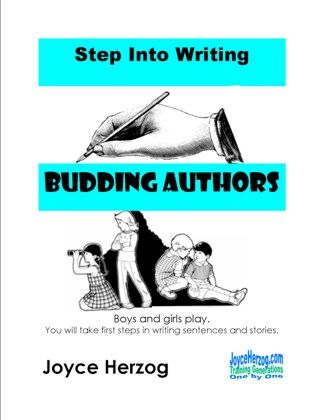
I had my twins working in the first book, which is titled Step Into Writing. In this book, children will be taking first steps in writing sentences and stories. Since my twins have some developmental delays, along with educational delays that resulted from several years in foster care before coming to us for adoption, this was an appropriate beginning point for them. You may download a sample from this workbook here.

At the very beginning of the book is a page and a half section of instruction for the parent/teacher, primarily describing the kinds of pages you will find in the workbook, and how to use them. The first one listed is Copywork, which is exactly what you would expect it to be. Your child will have a short story to copy, the first one consisting of just one easy sentence. Eventually, the short stories for copywork will be five sentences in the Step Into Writing Workbook. Each day, the student’s work should concentrate on perfection, not on time spent. The idea is that the child is to use his or her very best printing, spacing of words for ease of reading, and remembering to include all capitals and punctuation. The author says that at this level, 10 minutes is a reasonable working time for the copywork each day.

The second type of workbook page in this workbook are the dictation pages. There is a page at the beginning of the book for the parent/teacher which will give you the short story to dictate to your child for each page. In my copy, the page giving me the dictation to read to the child began with dictation for page 9, but the first dictation page for the student to complete was actually page 6, so we skipped that and began with the next set of pages. You will be given a very short, simple story to read to the child, and they will then copy it on their workbook page. My boys really had a problem with the way the writing pages are laid out, though. I like them, they are formatted with two lines, similar to another handwriting program I’ve used with my oldest son, but the twins just couldn’t grasp how to write with this type of lines, and asked me to please allow them to use regular primary paper, so that’s what I did. Each workbook page has thin column sections at the far right with the headings “C” for capitalization, “P” for punctuation, and “S” for spelling. There is a fourth column that you can use for whatever other category you feel your child needs to work on. For my twins, I used a ruler to make the columns on their primary paper.

Next, there is the “Experience Story” page after each dictation page. For this page, you and your child discuss the picture at the top of the page, and decide what the story would be about. Then, your child will dictate the story to you, as you write it down for him or her.

My book says there is also a dictionary page, but it was missing from my copy. It is included in the second workbook “Step On Into Writing”, which we will move on to when we have completed Step Into Writing.

This set of workbooks is very nice, although as I said before, my boys didn’t care for the format of the lines for writing. If we continue using it, we will use regular primary paper for their writing. This set of workbooks is, in my opinion, perfect for anyone who enjoys the Charlotte Mason method of homeschooling. In our family, we use a mix of Charlotte Mason, unschooling, unit study and lapbooking, so the idea of this set is one that works for us at this time. You can purchase the set of Budding Author Workbooks at the following prices:

Step Into Writing – $10.00

Step On Into Writing – $10.00

Adventures In Writing – $10.00

Then And Now – $12.00

Writing US History – $15.00

As I said before, I had “The Artist” going through Joyce Herzog’s 6 Weeks to Understanding Grammar.

This is a small book, 40 pages in length, and much to my surprise turned out to be mostly review for “The Artist”, so what I ended up doing with it was to read it myself, simply to learn how to teach basic grammar to my younger boys when they are ready. The author has made it extremely simple to teach using this little book and some writing paper! You may download a sample of this book here. From the website, This book “follows the teaching style of a hundred years ago: state it simply and give an example.” This little book very easily clears up grammar confusion, and is available here for $12.00.

I think these books are at a good price, and will help your “Budding Authors” on their journey as writers!

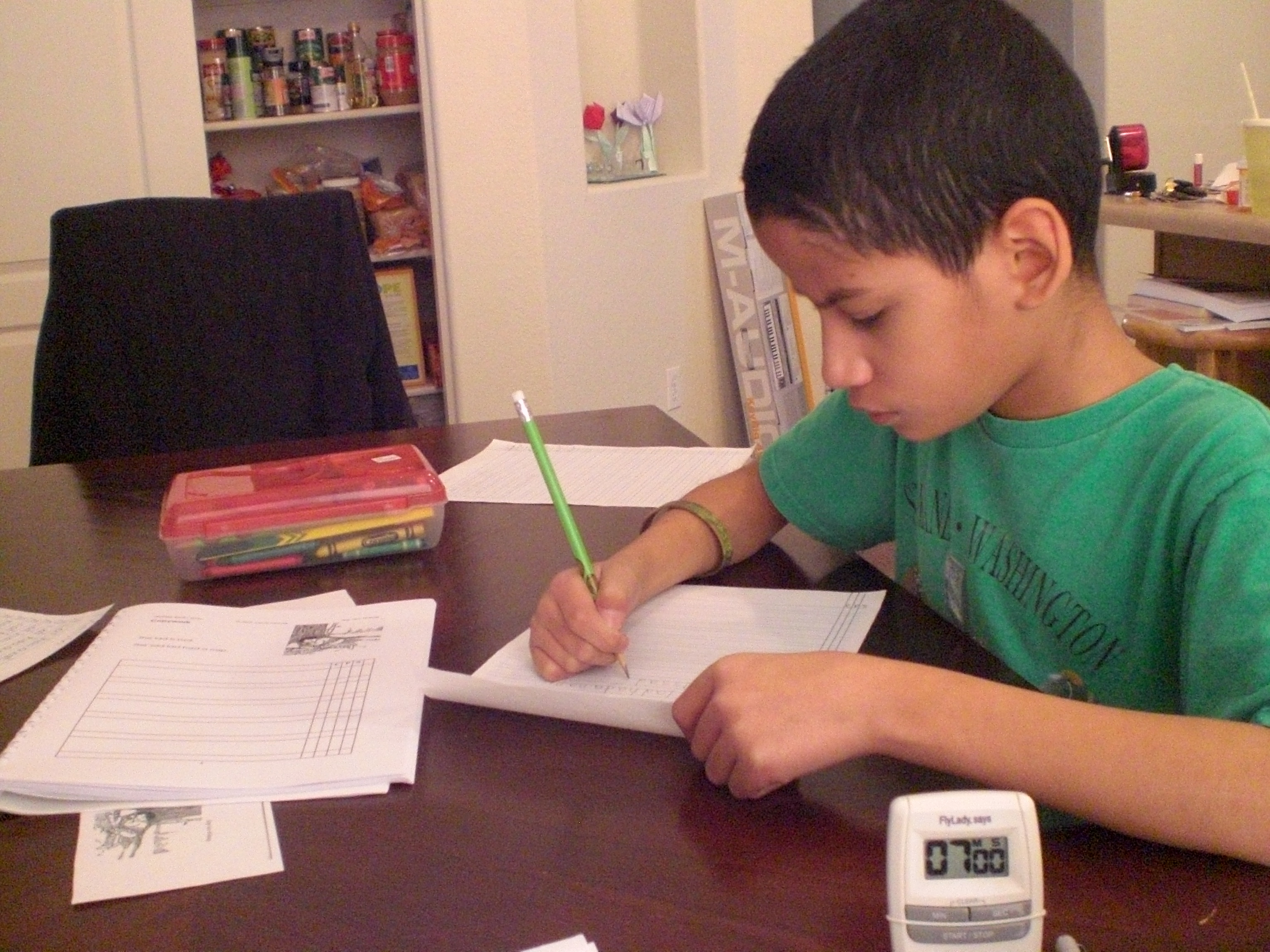
Here is “The Puzzler” doing copywork . . .

015

And “Mr. Loquacious” doing the same!

014

And a quick shot of “The Artist” working on grammar! 🙂

021

To see what other crew members thought of this and other products from Joyce Herzog, please click on the graphic below

Photobucket

2 Comments

Filed under education, home education, homeschool products, homeschooling, Kids, Schoolhouse Review Crew Post